


Egypt


About Egypt
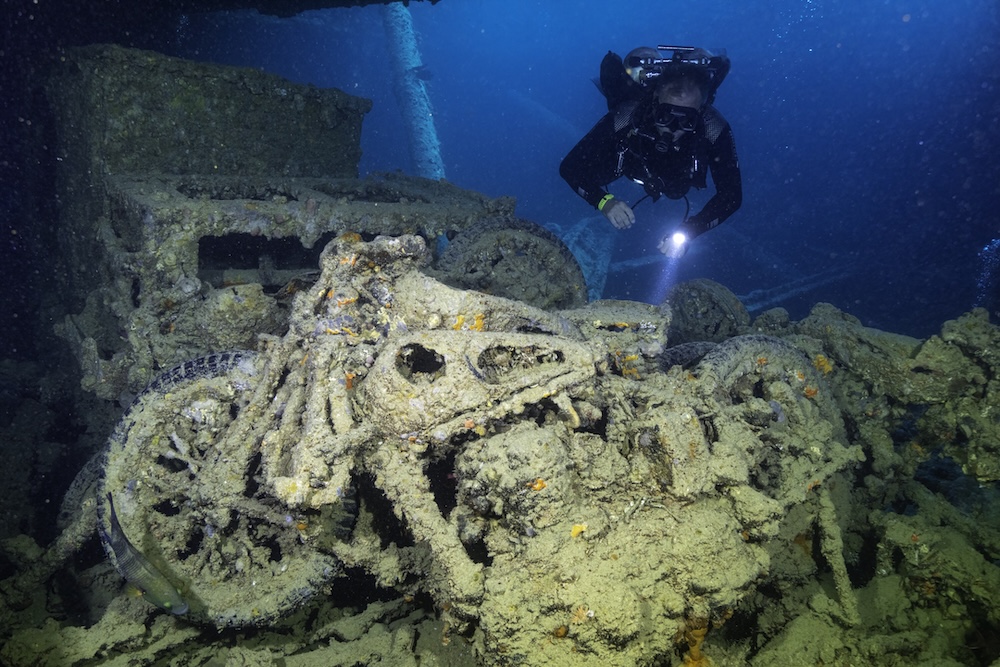
Egypt’s allure lies in the powerful contrast between its deep oceanic wilderness and its monumental desert history. In the Red Sea, the adventure begins along vertical drop-offs where the inquisitive Oceanic Whitetip shark patrols the sunlit shallows and shy Scalloped Hammerheads emerge from the early morning blue. Beneath the surface, history is preserved in the steel hulls of WWII wrecks like the SS Thistlegorm. On land, the journey shifts to the golden sands of Giza, where the Pyramids and Sphinx stand as testaments to human ingenuity, and the hidden tombs of Luxor whisper the secrets of the pharaohs.
- The Northern Red Sea (Wrecks & Reefs)
This region is the most accessible and is perfect for a mix of historical exploration and coral reef diving.
- Sharm El Sheikh:Located at the tip of the Sinai Peninsula, it provides access to the Ras Mohammed National Park, famous for its dramatic vertical walls and the Shark & Yolanda Reef.
- The Wrecks:This is the best area for wreck enthusiasts. You’ll find the SS Thistlegorm (WWII freighter) and the Abu Nuhas “Wreck Alley,” which houses four distinct shipwrecks in shallow water.
- Dahab:Famous for the Blue Hole and The Canyon, Dahab offers a more laid-back, shore-based diving experience with deep sinkholes and unique rock formations.
- The Central / Offshore Marine Parks (The Shark Triangle)
These sites are located far from the mainland and are typically only reachable via liveaboard or long boat trips from Marsa Alam.
- The Brothers (Al Ikhwan):Two isolated islands in the middle of the sea. They are legendary for sightings of Oceanic Whitetip sharks and features two wrecks (Numidia and Aida) that are encrusted in soft corals.
- Daedalus Reef:An offshore reef with a landmark lighthouse. It is the most reliable place in Egypt to spot Scalloped Hammerheads along its deep north wall.
- Elphinstone Reef:A long, narrow finger of reef famous for its strong currents and “The Arch.” It is a prime spot for Oceanic Whitetips and high-speed drift dives.
- The Deep South (Pristine Reefs & Caves)
The south is more remote, less crowded, and features much healthier coral systems. It is the best region for those who want a “wilderness” feel.
- Marsa Alam:The gateway to the south. Local sites like Abu Dabbab are famous for resident dugongs and giant sea turtles.
- Fury Shoals:A massive reef system known for spectacular “swim-throughs,” tunnels, and some of the best hard coral gardens.
- John’s & Rocky/Zabargad:Located near the Sudanese border, these remote reefs offer a mix of everything—deep walls, shark action, and pristine, uncrowded coral plateaus.
There are 4 seasons in the Red Sea:
Spring (March-April)
Day time air temperatures are around 24-32c
Water temperatures are around 21-25c
This is a good time for pelagic action, particularly in the northern Red Sea for Manta and Whalesharks
Summer (June-August)
Day time air temperatures are very hot, often exceeding 35-40c.
Water temperatures are around 28-30c
This is the best time to see Hammerheads at Daedalus and the Brothers. Sea conditions are generally the calmest of the year.
Autumn (September to November)
Day time air temperatures are around 27-30c
Water temperatures are around 26-27c
Visibility is normal y very good at this time of the year, it’s also peak season for the Oceanic Whitetips at the Brothers and Elphinstone.
Winter (December to February)
Day time air temperatures are around 18-20c – evenings can be very chilly
Water temperatures can drop as low as 20-22c.
Visibility is normally good at this time of year, but it can be very windy. A good time of the year to explore the northern wrecks.
The 3 main international airports are Cairo, Sharm El Sheik and Hurghada. Many airlines, including some discount airlines, will fly to all three.
Marsa Alam also has limited flights with airlines, including TUI, Easyjet, Eurowings and Air Cairo

Good to Know
You can get a 30 day tourist visa in two ways:
- On arrival at the Airport. You will need to queue at a counter and pay $25 USD (cash) before you go to Immigration
- e-visa. apply online before you travel, however, this system doesn’t appear to work particularly well – click here if you want to try!
For more information on entry requirements, click here
The national currency is Egyptian Pounds (EGP)
US Dollars (USD), Euro (EUR) and British Pounds (GBP) are also widely accepted, however, it is far better to change your currency at a money changer, and gain a better rate rather than relying on a retailer to convert into Egyptian Pounds for you.
Money changers are at the airport, but give poor rates of exchange, whereas ones in the towns give a much better rate.
ATMs are widespread.
Modern Standard Arabic is the official national language, however English is widely spoken, particularly in tourist areas.
220v at 50Hz
Sockets are mostly the Europlug type C
Vodafone, Orange, E& Egypt and WE are the main mobile phone service providers. Vodafone probably providing the best coverage and speed.
Sim cards are available at the Airports
Destinations in Egypt
Sorry, there are none.
Diving Highlights
Reef, wrecks, pelagics and good viz
When to go
All year round
Ease of travel
Easy
Megafauna
Good in places
Fish life
Good in places
CORAL REEF
Good in places
MACRO ON REEF
Not so much
MUCK/MACRO
No
WRECKS
Plenty
