Red Sea

Red Sea

Red Sea

About Red Sea

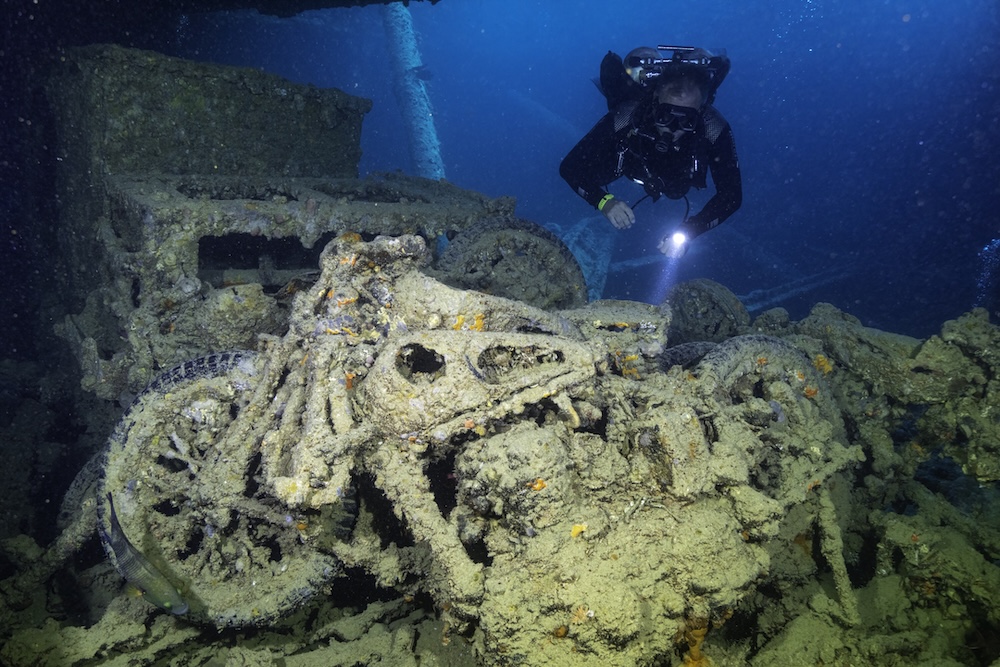
The Egyptian Red Sea is a region of distinct character, where the diving experience changes significantly as you move from the established hubs of the north to the remote frontiers of the south. Hurghada and Sharm El Sheikh serve as the primary gateways, offering a high density of coral gardens and dramatic vertical walls, such as those found in the Ras Mohammed National Park. These northern waters are particularly favored for their historical dimension, housing a collection of legendary wrecks including the SS Thistlegorm, a WWII freighter that remains remarkably intact with its cargo of motorcycles and armored vehicles.

Further south, the coastal town of Marsa Alam and the nearby marina of Port Ghalib provide the departure points for more adventurous offshore itineraries. The most celebrated of these is the "Golden Triangle" (Brothers, Daedalus, and Elphinstone), a circuit known for its high-energy environment and encounters with large pelagics. Here, divers can find the bold Oceanic Whitetip shark patrolling the plateaus, while the deeper walls offer sightings of Thresher sharks and small groups of Scalloped Hammerheads.

For those seeking a more secluded experience, the Deep South regions of St. John’s and Fury Shoals offer a different underwater landscape. These areas are characterized by extensive reef systems and limestone canyons, where sunlight filters through overhead cracks to illuminate shallow tunnel complexes. Whether you are navigating the steel corridors of a sunken ship or the natural mazes of a southern reef, the Red Sea remains a consistent and diverse destination for those looking to explore the open ocean

  1. The Northern Red Sea (Wrecks & Reefs)

This region is the most accessible and is perfect for a mix of historical exploration and coral reef diving.

  • Sharm El Sheikh:Located at the tip of the Sinai Peninsula, it provides access to the Ras Mohammed National Park, famous for its dramatic vertical walls and the Shark & Yolanda Reef.
  • The Wrecks:This is the best area for wreck enthusiasts. You’ll find the SS Thistlegorm (WWII freighter) and the Abu Nuhas “Wreck Alley,” which houses four distinct shipwrecks in shallow water.
  • Dahab:Famous for the Blue Hole and The Canyon, Dahab offers a more laid-back, shore-based diving experience with deep sinkholes and unique rock formations.
  1. The Central / Offshore Marine Parks (The Shark Triangle)

These sites are located far from the mainland and are typically only reachable via liveaboard or long boat trips from Marsa Alam.

  • The Brothers (Al Ikhwan):Two isolated islands in the middle of the sea. They are legendary for sightings of Oceanic Whitetip sharks and features two wrecks (Numidia and Aida) that are encrusted in soft corals.
  • Daedalus Reef:An offshore reef with a landmark lighthouse. It is the most reliable place in Egypt to spot Scalloped Hammerheads along its deep north wall.
  • Elphinstone Reef:A long, narrow finger of reef famous for its strong currents and “The Arch.” It is a prime spot for Oceanic Whitetips and high-speed drift dives.
  1. The Deep South (Pristine Reefs & Caves)

The south is more remote, less crowded, and features much healthier coral systems. It is the best region for those who want a “wilderness” feel.

  • Marsa Alam:The gateway to the south. Local sites like Abu Dabbab are famous for resident dugongs and giant sea turtles.
  • Fury Shoals:A massive reef system known for spectacular “swim-throughs,” tunnels, and some of the best hard coral gardens.
  • John’s & Rocky/Zabargad:Located near the Sudanese border, these remote reefs offer a mix of everything—deep walls, shark action, and pristine, uncrowded coral plateaus.

There are 4 seasons in the Red Sea:

Spring (March-April)

Day time air temperatures are around 24-32c

Water temperatures are around 21-25c

This is a good time for pelagic action, particularly in the northern Red Sea for Manta and Whalesharks

Summer (June-August)

Day time air temperatures are very hot, often exceeding 35-40c.

Water temperatures are around 28-30c

This is the best time to see Hammerheads at Daedalus and the Brothers. Sea conditions are generally the calmest of the year.

Autumn (September to November)

Day time air temperatures are around 27-30c

Water temperatures are around 26-27c

Visibility is normal y very good at this time of the year, it’s also peak season for the Oceanic Whitetips at the Brothers and Elphinstone.

Winter (December to February)

Day time air temperatures are around 18-20c – evenings can be very chilly

Water temperatures can drop as low as 20-22c.

Visibility is normally good at this time of year, but it can be very windy. A good time of the year to explore the northern wrecks.

The 3 main international airports are Cairo, Sharm El Sheik and Hurghada. Many airlines, including some discount airlines, will fly to all three.

Marsa Alam also has limited flights with airlines, including TUI, Easyjet, Eurowings and Air Cairo

Resorts in Red Sea

No resorts found in this destination.
Liveaboards offering Red Sea
  • Dune Theia

Diving Highlights

Great viz, sharks, wrecks and vibrant reefs

When to go

All year round

Ease of travel

Very easy from Europe

Megafauna

Yes, good

Fish life

Good in places

CORAL REEF

Abundant but relatively limited biodiversity

MACRO ON REEF

A little bit

MUCK/MACRO

No

WRECKS

Yes

Want to know more about Red Sea?